

Valentine’s sale 2026 guide for Shopify stores. Learn how to structure gift deals, improve variant clarity, and increase seasonal conversions.
Valentine’s shopping brings a short window where buying decisions happen quickly, often driven by gifting deadlines and limited availability. A well-planned Valentine’s sale helps shoppers choose faster while helping stores present the right products at the right time.
U.S. adults are expected to spend a record $29.1 billion on Valentine’s Day this year, according to estimates from the National Retail Federation, showing how strong demand becomes during this period. For Shopify merchants, results often depend on how gift deals are structured across collections, product pages, and variants so customers can make quick, clear purchase decisions.
In this guide, we’ll cover how to structure your Valentine’s sale, organize gift deals, and prepare your store for higher conversion during the Valentine’s shopping window.
Quick Overview
- Structure your valentine’s sale around gifting intent first, collections organized by recipient, price range, and bundles help buyers decide faster than discount-heavy layouts.
- Variant visibility directly affects conversions during gifting seasons; shoppers should be able to compare colors, sizes, or styles without opening multiple product pages.
- Product pages need variant-specific images, titles, and information so gift buyers can confirm selections quickly and avoid mistakes.
- Valentine traffic often comes from specific, intent-driven searches, making variant-level SEO and descriptive images important for additional discovery.
- Stores using Shopify perform better during seasonal sales when merchandising, delivery messaging, and variant presentation are planned together instead of treated separately.
What Shopify Merchants Should Prepare Before Launching a Valentine’s Sale
A successful Valentine’s sale starts with structure, not discounts. Valentine shoppers usually arrive with a purpose: find a suitable gift quickly, confirm delivery timelines, and complete checkout without second-guessing. Stores that prepare their collections and variant experiences in advance tend to handle traffic spikes more effectively.
1. Build Gift-Focused Collections Instead of Discount-Only Collections
Discount banners alone don’t guide gift buyers. Collections should reduce decision time and help shoppers filter options based on intent. Consider organizing your Valentine's Day sale collections like this:
- Gifts by recipient: Create dedicated sections such as “Gifts for Her,” “Gifts for Him,” or “Gifts for Partners.” This helps visitors land directly in a relevant category instead of browsing your entire catalog.
- Gifts by price range: Break collections into brackets like “Under $50,”. This works especially well across regions where budget expectations vary.
- Ready-to-buy bundles: Curated sets (for example, fragrance + candle, watch + bracelet) reduce comparison time and often increase average order value.
- Bestseller gifting sections: Featuring proven products adds reassurance for buyers who are unsure about what to choose.
These structures keep the focus on gift logic rather than only on percentage discounts.
2. Plan for Variant Visibility Early
Variant presentation becomes even more important during Valentine’s shopping. Buyers often compare:
- colors
- Sizes
- Materials
- Styles
If customers need to open multiple product pages to check colors or sizes, hesitation increases. Gift purchases often happen under time pressure, and extra clicks can reduce conversions. Showing variant options directly on collection pages helps shoppers compare faster through swatches or individual variant listings.
Tools like Color Swatch King display visual swatches, while SA Variants: Combined Listings show each variant with its own images and URL. Preparing variant visibility before your Valentine day sale goes live helps customers make quicker decisions.
Structuring Valentine's Day Sale Offers That Improve Order Value
Many stores default to flat discounts during a valentine day sale, but discount size alone rarely determines performance. The structure of the offer often has a stronger impact on order value and purchase speed. Gift buyers look for clarity and reassurance, not just lower prices.
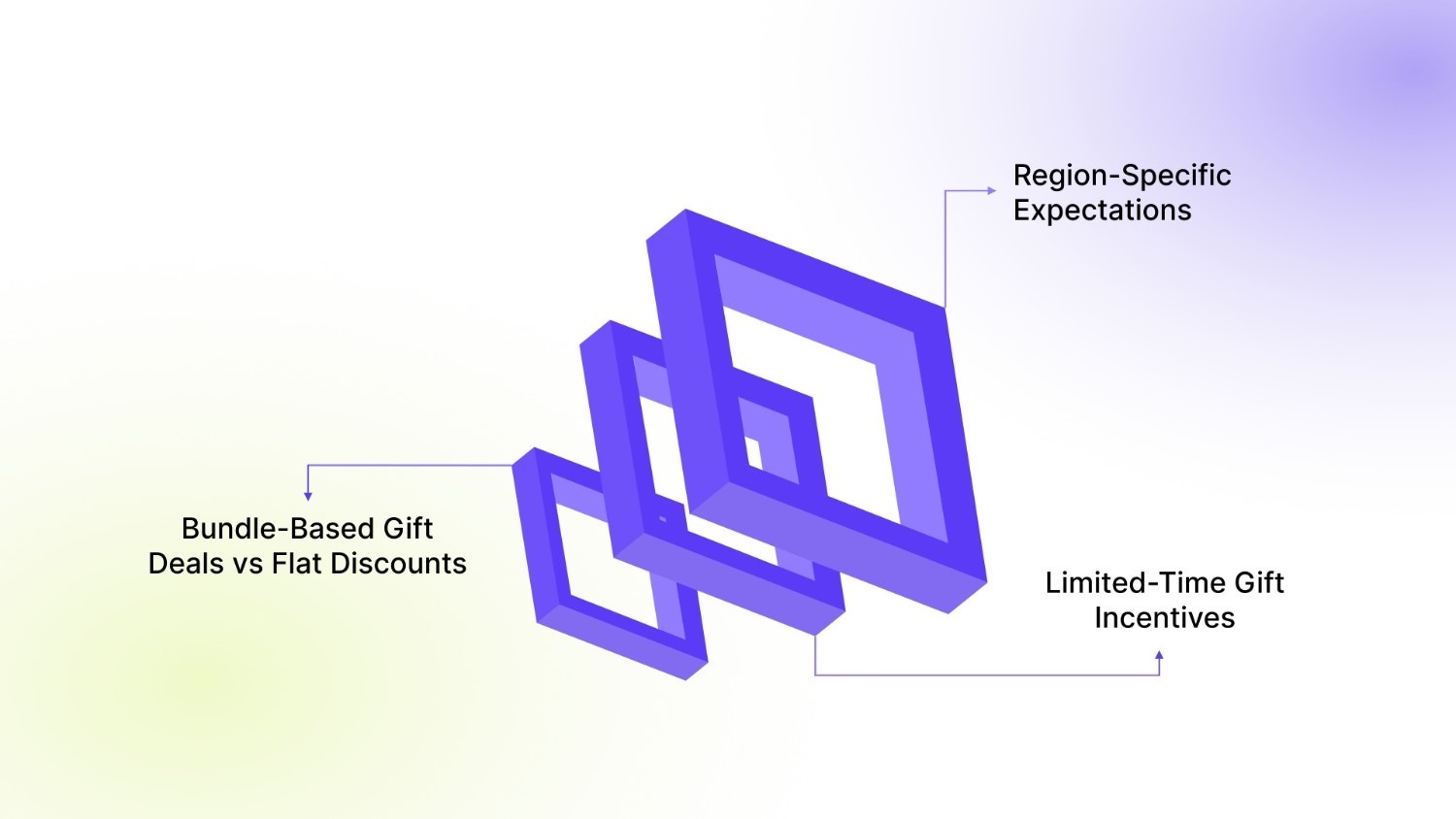
1. Bundle-Based Gift Deals vs Flat Discounts
Flat discounts reduce margins quickly. Bundles, on the other hand, increase perceived value while protecting the pricing structure.
For example:
- jewelry + gift box packaging
- Skincare set curated for “Date Night.”
- Watch + bracelet combo
- Home décor pairing (candles + diffuser)
Bundles help in two ways:
- They simplify decision-making for buyers who are unsure what to combine.
- They increase average order value without aggressive discounting.
Pre-built bundles work well for fashion, beauty, and accessories brands. Build-your-own gift bundles can also perform strongly, especially when customers want personalization.
2. Limited-Time Gift Incentives
Time-bound incentives align well with Valentine’s buying behavior, especially during the final 7–10 days before February 14.
Options merchants can consider:
- Early access for email or loyalty subscribers: Offering 24–48 hours of priority access helps capture demand before wider promotion begins.
- Free gift thresholds: For example, “Free gift wrap on orders above $100” or “Free candle with purchases over £75.” This encourages customers to increase cart value.
- Shipping-based incentives: Free express shipping above a certain amount often drives higher conversions during the final week before Valentine’s Day.
Clear timelines matter here. Displaying the offer end date directly on product and collection pages reduces hesitation.
3. Region-Specific Expectations
A sale on valentine day does not perform the same way across all regions. Merchants targeting multiple markets should adjust messaging accordingly.
- Delivery expectations vary: Customers in Canada and Australia may expect longer transit windows compared to the UK or Germany. Highlighting estimated delivery timelines early reduces uncertainty.
- Price sensitivity differs by market:Indian shoppers may respond strongly to visible discounts, while UK and German shoppers often focus more on quality and presentation.
- Clear shipping messaging is essential: Order-by deadlines, express shipping availability, and location-specific delivery notes should be visible on product pages, not hidden in FAQ sections.
Aligning offer structure with regional buying behavior can significantly influence order value and overall sales performance. Once collections and product pages are ready, the next step is structuring your Valentine’s Day sale offers to encourage higher order value.
Recommended: 19 Tips to Retain BFCM Shoppers and Boost Loyalty.
Product Page Changes That Matter During a Valentine’s Sale
During a Valentine’s sale, product pages often decide whether a visitor completes a purchase or leaves to compare options elsewhere. Gift buyers usually want reassurance that they are selecting the correct variant, especially when purchasing for someone else. Small gaps in product clarity can lead to hesitation or incorrect orders.
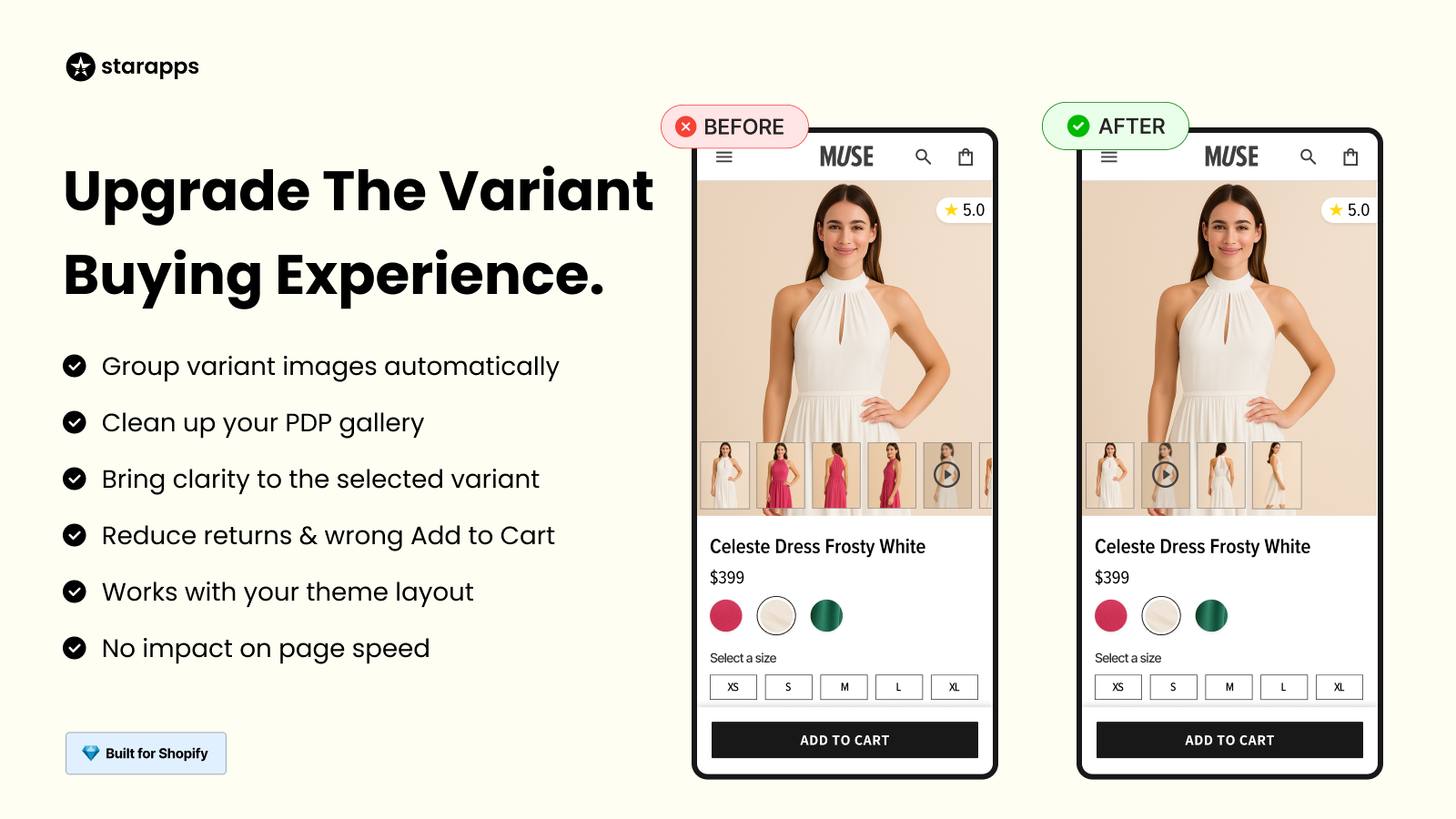
1. Show Only Images Relevant to the Selected Variant
One common issue appears when customers select a color or style but continue seeing images from other variants. This creates uncertainty, particularly for gift buyers who rely heavily on visuals before placing an order.
Examples include:
- Selecting a red dress while gallery images still show blue or black variants
- Choosing a specific watch strap, but seeing mixed product images
- Switching colors and needing to manually search for the correct photos
Displaying only the images linked to the selected variant keeps the experience clear and reduces second-guessing. Apps like Variant Image Automator help assign and display the correct image gallery automatically, so customers immediately see the exact product they are choosing.
2. Variant-Specific Information Reduces Returns
Gift purchases often involve products the buyer has not used personally. Missing or generic descriptions increase the chances of incorrect expectations and returns.
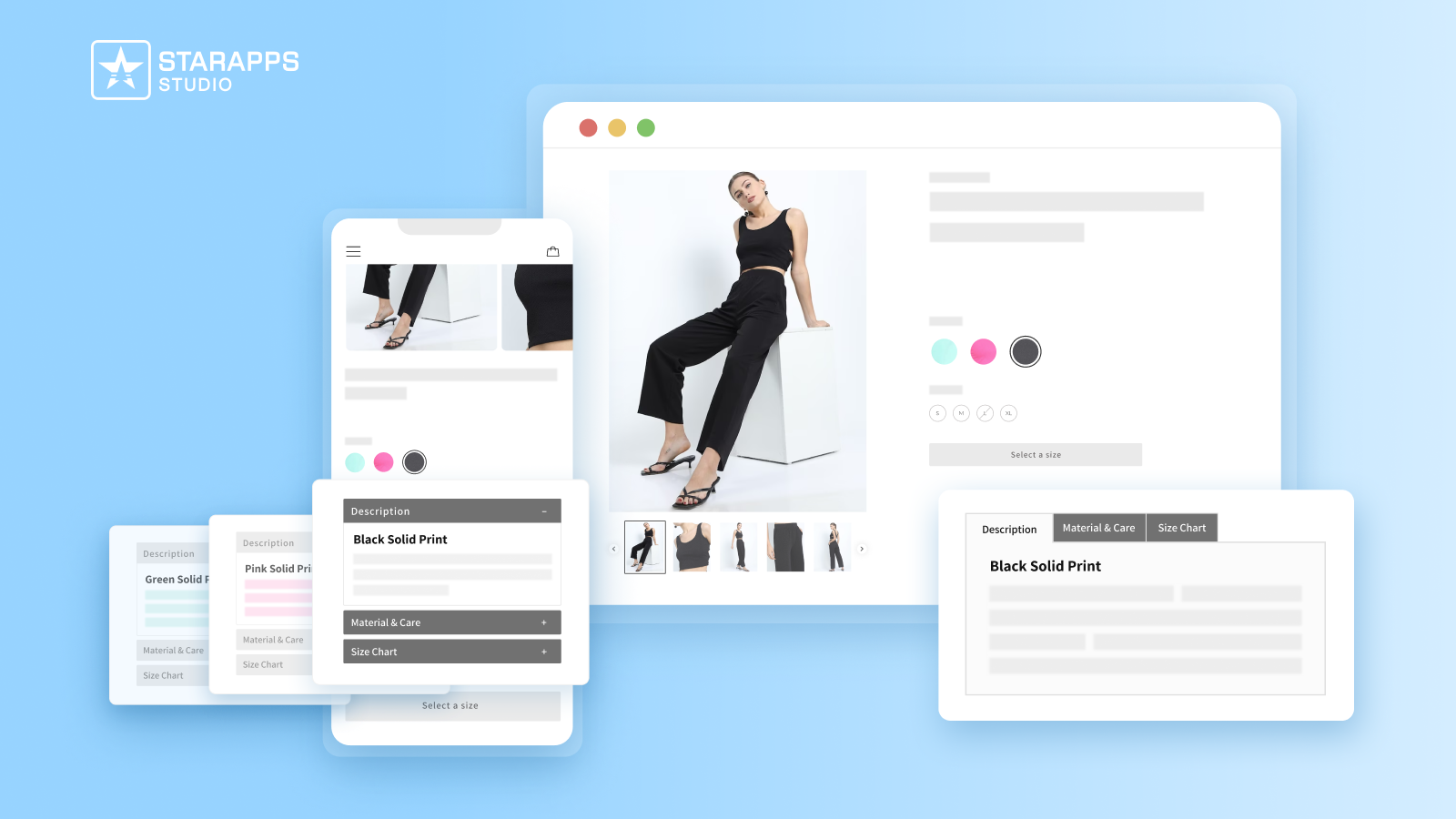
Adding variant-specific information helps customers make better decisions:
- Material differences between variants
- Size guidance or fit notes
- Care instructions for specific fabrics or finishes
- Usage details that vary across styles or models
Organizing this information into tabs or expandable sections keeps the product page readable while still providing detail where needed. You can use Variant Descriptions King to display different descriptions for each variant, helping customers understand exactly what they are purchasing.
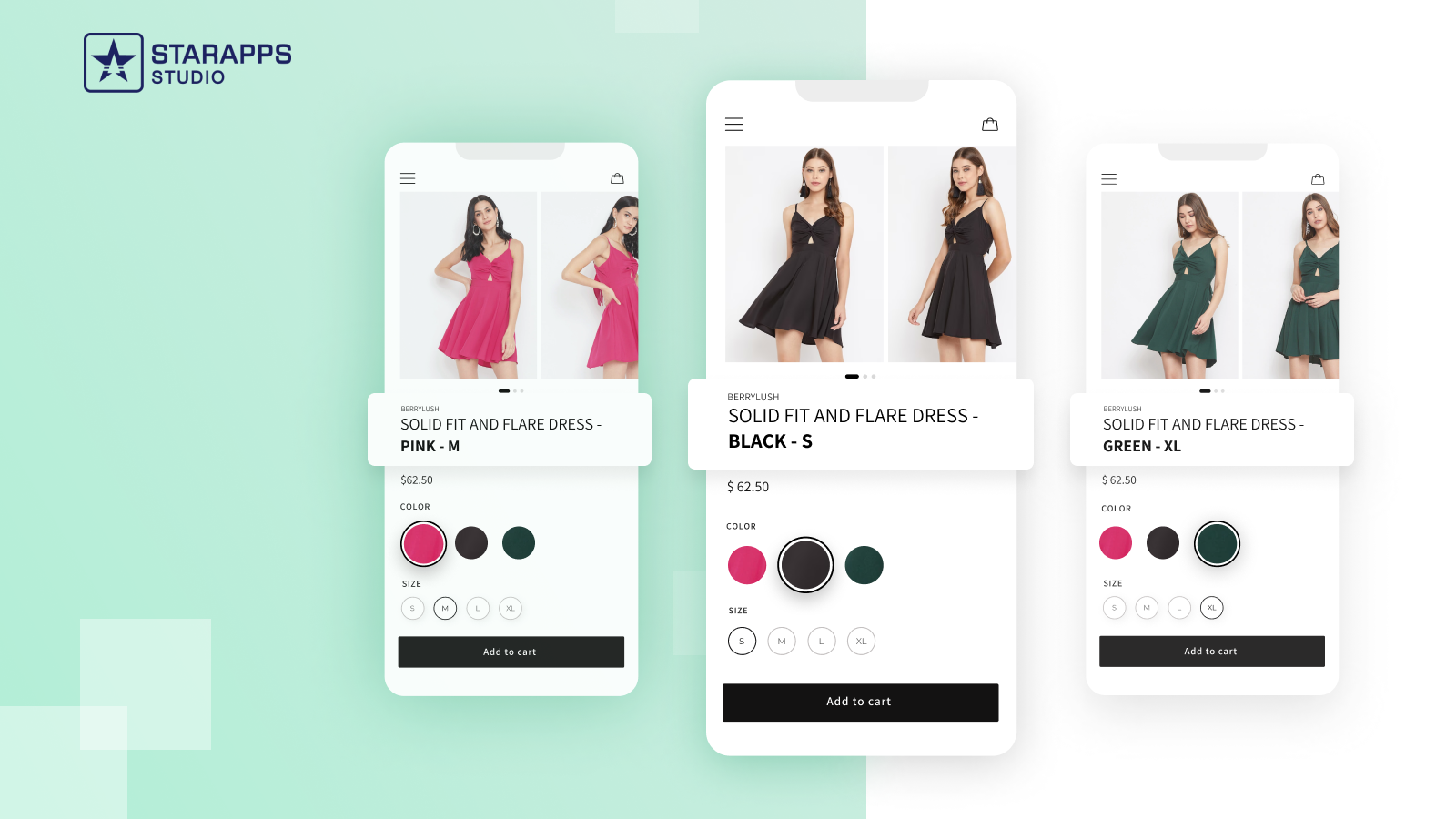
3. Clear Variant Titles Help Gift Buyers Confirm Selection
Gift buyers often double-check product titles before checkout, especially when purchasing unfamiliar items. Generic titles can create confusion when multiple colors or sizes exist.
Clear variant titles that update based on selection help customers confirm details quickly, such as:
- Product name with selected color
- Size or variant type
- SKU or identifying information for accuracy
Dynamic titles reduce uncertainty at the final decision stage and make order confirmation easier for customers. Solutions like Variant Title King allow titles to update automatically based on the chosen variant, improving clarity during the purchase process.
Making Your Valentine’s Sale Easier to Find Through Search
Traffic during a Valentine’s sale does not come only from homepage visits or paid campaigns. Many buyers search with highly specific gift intent, especially in the final two weeks before February 14. Stores that prepare for these search patterns often capture traffic that competitors overlook.
1. Variant-Level Search Opportunities During Gift Season
Gift searches become more descriptive during Valentine’s week. Instead of broad terms, customers often type phrases like:
- red dress valentine gift
- silver heart necklace gift
- romantic candle set for her
These searches often include color, material, or product style. When variants are grouped under a single generic product page without clear indexing, search visibility is limited.
Creating variant-specific URLs and adding descriptive metadata helps products appear in detailed searches. Image search also matters during gift season, adding descriptive ALT text to variant images helps search engines understand each version and improves discoverability without manual updates.
2. Image Search Traffic During Gifting Seasons
Many Valentine buyers browse visually before committing to a purchase. Image results influence click behavior, particularly for fashion, accessories, and jewelry brands.
Descriptive product images should:
- Reflect the exact variant shown
- Include accurate color and material details
- Match the product title and description
Clear, consistent image labeling improves visibility across standard search and image search results. During gifting periods, even small improvements in image clarity can influence both traffic quality and purchase intent.
Also Read: 7 Best Free Shopify Themes for 2026 That Convert Better.
Once your sale is discoverable through search, the next step is planning when and how each promotion goes live.
Valentine’s Sale 2026 Timeline for Shopify Stores
Timing plays a major role in how a Valentine’s sale performs. Planning in phases helps stores prepare collections early, capture demand before peak traffic, and handle last-minute buyers without confusion.
A practical timeline for Shopify merchants looks like this:
- Late January for Collections and SEO setup: Create Valentine-focused collections, organize gift categories, update product images, and ensure product and variant pages are ready for search indexing.
- Early February for Early access campaigns: Launch early access offers for email subscribers or repeat customers. This helps generate initial sales before competition increases.
- February 7–12, Peak promotion window: Run main promotions, highlight bundles and bestsellers, and keep shipping timelines clearly visible across product and collection pages.
- February 12–14 — Last-minute buyers and delivery messaging: Shift messaging toward express delivery, digital gifts, or products with faster shipping availability to capture final purchase intent.
With the timeline in place, it’s equally important to understand what separates high-performing campaigns from the rest.
What Successful Valentine’s Sales Have in Common
Stores that perform well during a Valentine’s sale usually share a few common patterns. Their focus stays on helping customers choose quickly and purchase without uncertainty.
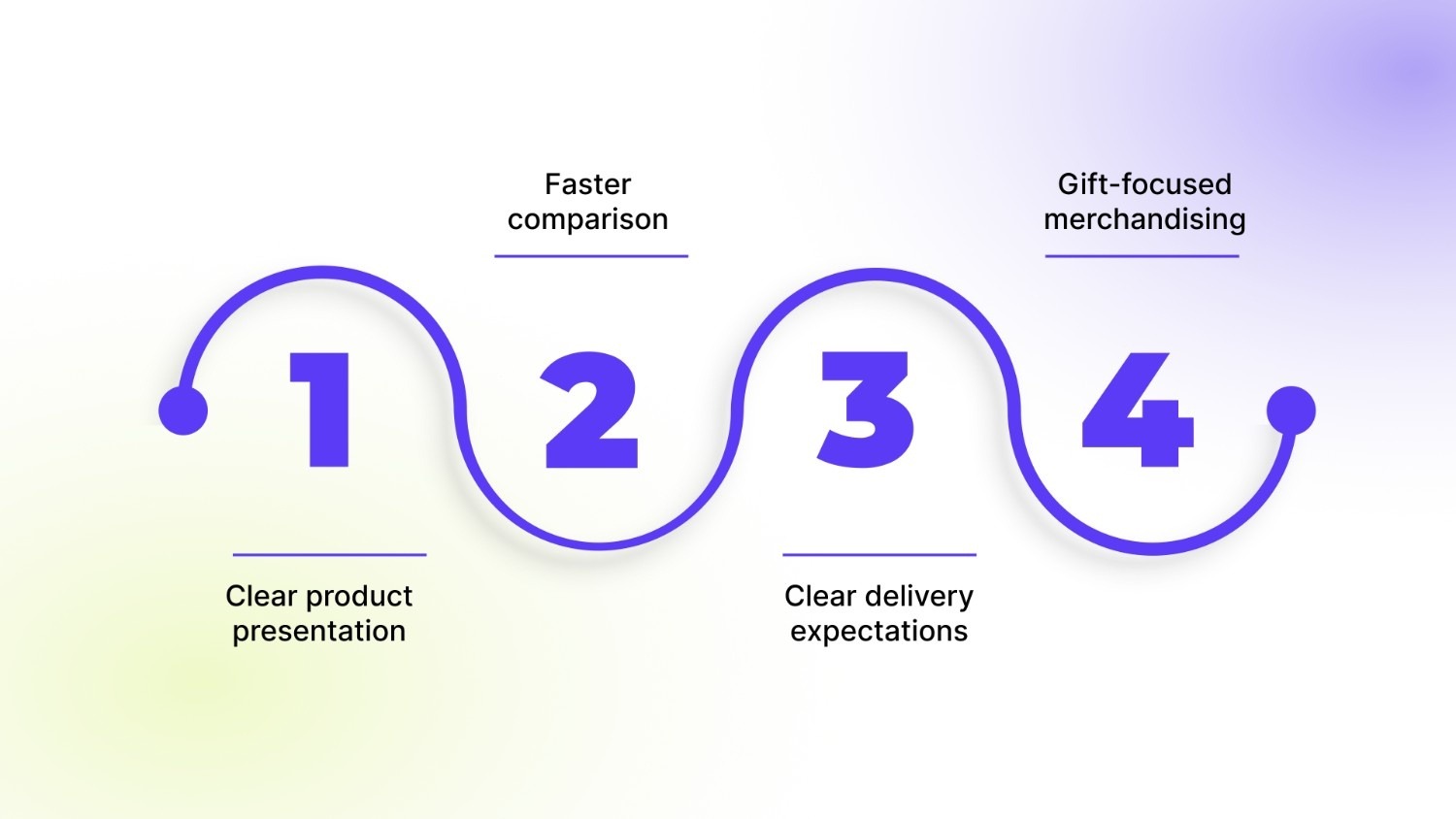
Some consistent elements include:
- Clear product presentation: Images, titles, and descriptions match the selected variant, helping buyers understand exactly what they are purchasing.
- Faster comparison: Customers can evaluate colors, sizes, or styles without moving across multiple pages, reducing hesitation during gift selection.
- Clear delivery expectations: Shipping timelines and order-by dates are visible early, helping shoppers make timely decisions.
- Gift-focused merchandising: Collections are organized around gifting intent, making it easier for visitors to find suitable options within minutes.
Stores that simplify how variants appear across collection and product pages often see smoother buying decisions during gifting seasons.
Conclusion
A successful Valentine’s sale comes down to how easily customers can find, compare, and confirm the right gift before checkout. Clear collections, accurate variant images, detailed product information, and visible delivery timelines help reduce hesitation during gifting purchases.
Many Shopify stores see better results when variant presentation is planned alongside sale offers, especially when managing multiple colors, sizes, or styles. StarApps Studio helps merchants improve how variants appear across collection and product pages, making gift selection clearer during high-intent shopping periods.
If you’re preparing your special sale, this is the right time to review how your store presents variants and ensure customers can make quick, confident buying decisions. Connect with us now to get started!
FAQ’s
1. When should I start promoting my Valentine’s sale?
Promotion can begin as early as the last week of January, especially for email subscribers and returning customers. Public campaigns usually gain traction from early February onward. Starting early allows time for organic search indexing, paid ads optimization, and inventory adjustments before peak traffic between February 7–12.
2. Should I create a separate landing page for my Valentine day sale?
Yes. A dedicated landing page helps organize gift collections, highlight limited-time offers, and improve search visibility. It also makes campaign tracking easier across paid ads, email, and social promotions.
3. How can I manage inventory during a high-traffic sale on Valentine's Day?
Review bestsellers from previous months and forecast demand for popular colors or sizes. Highlight low-stock indicators to encourage quicker decisions. Remove or hide unavailable variants to prevent frustration.
4. Do digital gift cards perform well during Valentine’s sales?
Digital gift cards often perform strongly in the final 2–3 days before February 14, especially for last-minute buyers. Promoting them clearly during the final window can capture additional revenue.
5. How do I reduce abandoned carts during a Valentine’s sale?
Clear delivery deadlines, accurate variant presentation, and visible return policies reduce uncertainty. Sending reminder emails with shipping cut-off information can also recover carts during the peak shopping window.
Heading

End-to-end traceability
To ensure regulatory compliance, you must have a complete overview of your products from production to shipping. Book a demo to see how Katana can give you full visibility of your operations.
.png)

.svg)

.svg)

.svg)
.png)