

Plan a meaningful black history month sale with practical tips on collections, gift ideas, and product presentation that help shoppers browse and buy easily.
A Black History Month sale brings more than seasonal traffic. It brings customers looking for meaning behind what they buy. Shoppers often search for gifts that reflect culture, creativity, and purpose, while expecting a smooth buying experience at the same time.
For Shopify merchants managing multiple products and variants, presentation plays a major role in how easily customers find the right gift. Stores that organize collections clearly, highlight relevant variants, and reduce browsing friction tend to see stronger engagement during themed campaigns.
This blog explains how to structure collections, present gifts effectively, and create a shopping experience that supports both celebration and conversions during Black History Month.
Key Takeaways
- Build Black History Month sales around intentional collections, grouping products by theme, creator, or gifting purpose so customers understand why items are featured.
- Structure collections for quick browsing, showing variants clearly and reducing the need to open multiple product pages, improves decision-making during seasonal traffic spikes.
- Visual variant selection (color or image-based) helps gift buyers compare options faster and reduces drop-offs caused by confusion.
- Product pages should clearly reflect the selected variant through accurate images, titles, and descriptions to support customers buying gifts, not just products for themselves.
- Seasonal campaigns perform better when merchandising, storytelling, and product presentation work together, making it easier for shoppers to find meaningful gifts without friction.
What Customers Expect From a Black History Month Sale
Customers approaching a Black History Month sale are usually looking for intention, not just discounts. Products connected to culture, creativity, or community carry meaning, and shoppers expect stores to reflect that through thoughtful presentation. The way collections are structured often determines how long customers stay and how easily they move toward a purchase.
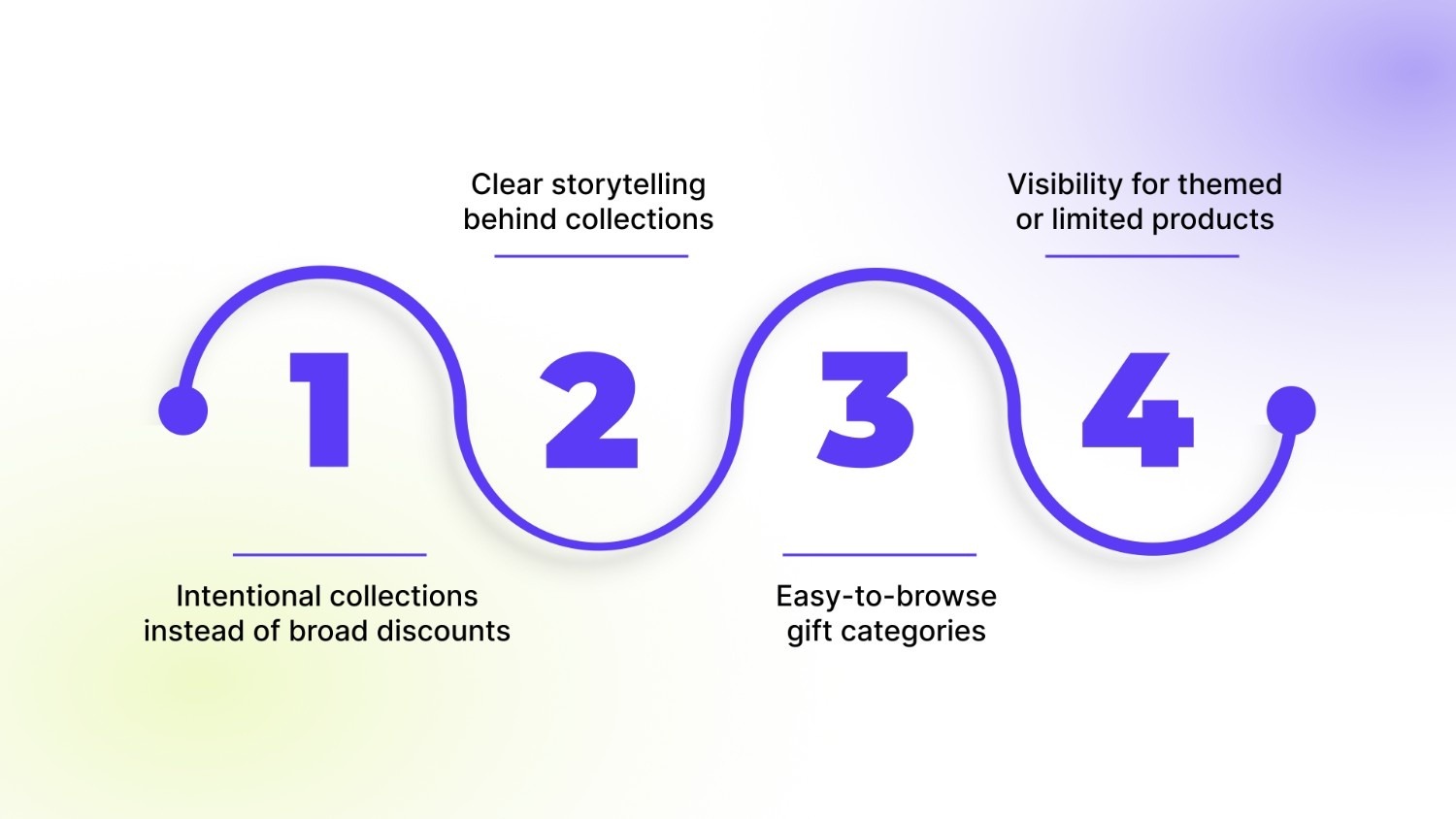
A few expectations consistently shape shopper behavior during this period:
- Intentional collections instead of broad discounts: Shoppers respond better to curated selections that explain why certain products are featured, rather than sitewide promotions with no clear theme.
- Clear storytelling behind collections: Collection descriptions, banners, or short product highlights help customers understand the inspiration or purpose behind the products being showcased.
- Easy-to-browse gift categories: Grouping products into categories such as apparel gifts, self-care items, or gifts under a specific price range helps customers make faster decisions.
- Visibility for themed or limited products: Customers should be able to identify special or limited-edition items quickly without searching across multiple collections.
Poorly organized collections often reduce conversions during seasonal sales. When shoppers have to open multiple product pages to compare options, encounter unavailable variants, or struggle to find themed products, momentum drops. Seasonal traffic tends to be more intent-driven, so clarity in collection structure and product visibility plays a direct role in turning interest into completed purchases.
Building a Black History Month Collection That Shoppers Can Easily Browse
A strong Black History Month collection starts with a clear structure. Shoppers should immediately understand why certain products are grouped together and how they relate to the theme. Collections built around artists, culture-inspired designs, or brand collaborations help create context and make browsing feel intentional instead of promotional.
Separating gifts based on shopping intent also reduces friction. Common structures that work well during seasonal campaigns include:
- Gifts under $50 for quick purchases and impulse gifting
- Apparel gifts grouped by style or collection theme
- Beauty and self-care gifts for personal or wellness-focused purchases
- Home and lifestyle gifts for customers looking for meaningful everyday items
Large catalogs often create another challenge during themed sales. When multiple colors or styles represent different cultural themes, customers may need to open several product pages just to compare options. Showing variants individually on collection pages helps customers scan options faster and choose what fits their intent without extra clicks.
This is where StarApps Studio’s SA Variants: Combined Listings can support merchandising. Displaying variants as separate listings allows shoppers to see all available styles directly within the collection, which works especially well for fashion or design-led products during seasonal campaigns.
Making Gift Selection Easier With Visual Variant Selection
Gift buyers usually browse quickly. They compare colors, sizes, and styles before deciding, and most don’t want to open multiple product pages just to see what options are available. During a Black History Month sale, that extra effort often leads to drop-offs. especially when traffic is higher, and attention spans are shorter.
Variant confusion becomes a bigger issue in themed collections:
- Customers click into a product expecting one design but see multiple unrelated options.
- Out-of-stock variants still appear selectable.
- Color differences aren’t visible until after several clicks.
A better approach is to make variant selection visual and immediate.
Practical improvements include:
- Color swatches are directly on collection pages so shoppers can preview options without leaving the grid.
- Image-based swatches that show the actual design or pattern tied to each variant.
- Hiding unavailable variants during the sale to prevent frustration.
For Shopify merchants managing apparel, accessories, or design-led products, this is where StarApps Studio’s Color Swatch King becomes useful. It allows color and image swatches to appear on collection cards, helping customers compare options visually while browsing gift collections. Faster comparison leads to quicker decisions, especially when products are tied to specific cultural themes or limited-edition designs.
How to Make Product Pages Clear for Gift Buyers
A customer shopping for themselves behaves differently from someone buying a gift. Gift buyers want clarity before they commit. They often double-check details to avoid mistakes.
Common questions running through their mind include:
- What exactly am I buying?
- Which color or style is currently selected?
- How is this variant different from the others?
If the product page does not clearly reflect the selected variant, hesitation increases. Generic galleries that show every image for every option make it harder to confirm the final choice. During seasonal sales, that uncertainty can slow down decisions.
A few practical improvements make a noticeable difference:
- Variant-specific images, so the gallery updates based on the selected option.
- Variant-specific descriptions that explain design details, materials, or special edition elements.
- Clear product titles that reflect the chosen color or style instead of staying static.
For stores with multiple designs or culturally themed variations, displaying only the relevant images for the selected option reduces confusion. This is where Variant Image Automator from StarApps Studio fits naturally into the setup. When a shopper selects a variant, the gallery updates to show only images tied to that choice, making it easier for gift buyers to confirm they are selecting the right item before checkout.
Black History Month Gift Ideas That Work Well for Ecommerce Stores
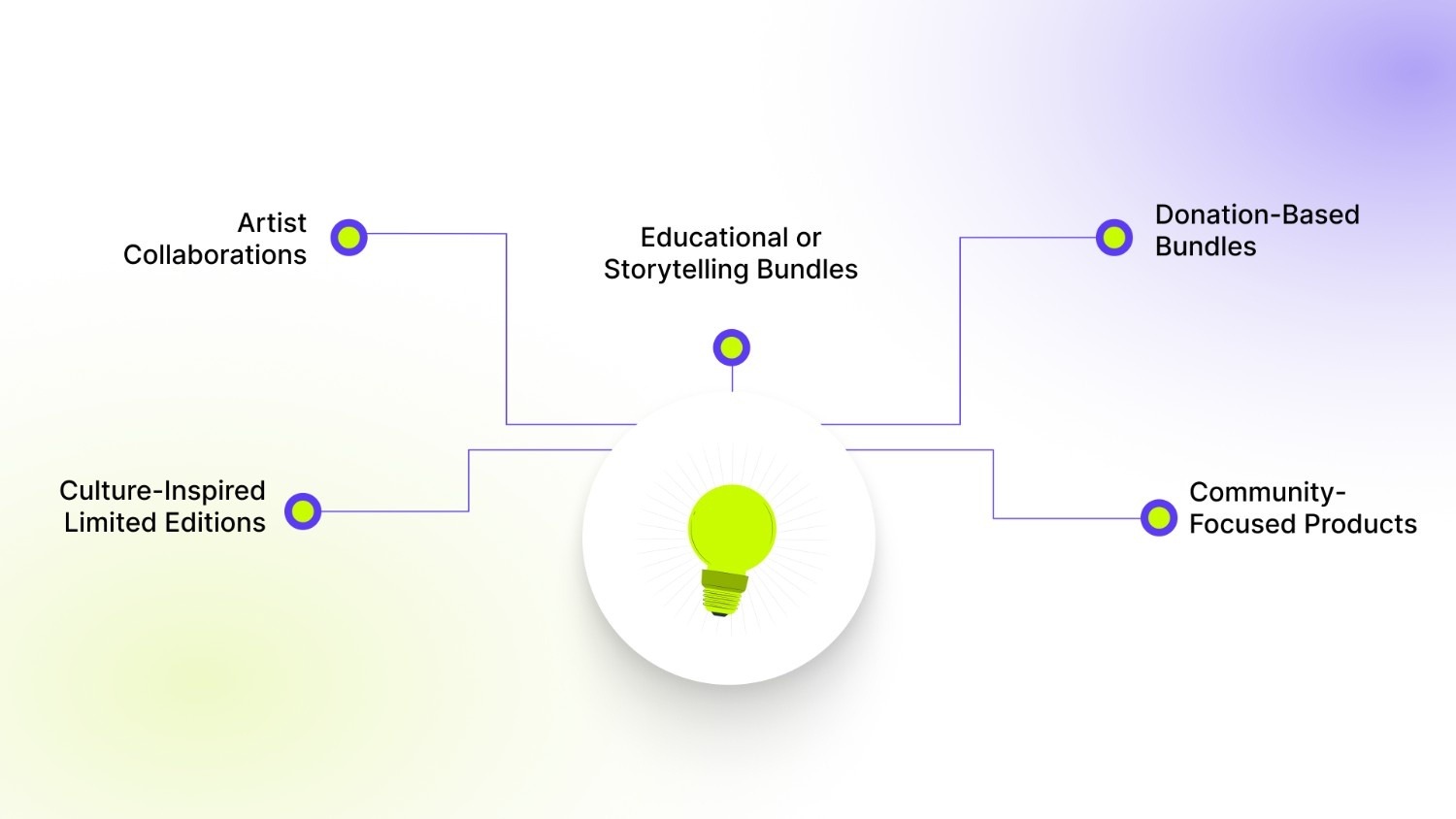
Certain product formats tend to perform better during a Black History Month sale because they connect meaning with purchase intent. The key is to present these ideas as structured collections, not scattered products.
Here are formats that work particularly well for Shopify stores:
1. Artist Collaborations
Limited runs created in collaboration with Black artists, designers, or creators often attract both loyal customers and new audiences.
How to present it:
- Create a dedicated “Artist Collaboration” collection.
- Add a short introduction about the creator at the top of the page.
- Include consistent product thumbnails so the collection feels cohesive.
2. Culture-Inspired Limited Editions
Products inspired by heritage, history, or cultural elements can drive strong engagement when positioned thoughtfully.
How to present it:
- Group them under a clearly labeled limited-edition collection.
- Use badges like “Limited Run” or “Black History Month Edition.”
- Keep these items visually grouped so customers can compare designs easily.
3. Educational or Storytelling Bundles
Bundles that include products paired with printed materials, artwork cards, or educational inserts can increase perceived value.
How to present it:
- Create a “Gift Bundles” collection separate from individual products.
- Clearly outline what is included in each bundle.
- Use dedicated product images showing all items together.
4. Donation-Based Bundles
Products where a percentage supports a cause or community initiative often resonate during this month.
How to present it:
- Highlight the impact clearly in the collection description.
- Keep donation-based items grouped together for transparency.
- Add a short FAQ section on the collection page explaining how contributions work.
5. Community-Focused Products
Featuring Black-owned partner brands or spotlight products can expand reach and build credibility.
How to present it:
- Create a “Community Spotlight” collection.
- Add brand highlights within product descriptions.
- Ensure these products are easy to find on the homepage during the campaign.
When these ideas are structured into intentional collections with clear categories and consistent presentation, shoppers spend less time searching and more time purchasing. Clear grouping helps customers connect purpose with product, which is especially important during a Black History Month sale.
Also Check: How Do You Build Flexible Catalogs With Shopify Custom Code Variants?
How to Promote Without Losing the Collection’s Meaning
Promotions during Black History Month work best when the focus stays on purpose and presentation rather than aggressive discounting. Heavy price cuts on culturally themed products can shift attention away from the meaning behind the collection and make the campaign feel transactional.
A more effective approach includes:
- Avoiding deep discounts on themed products and instead keeping pricing aligned with their value or limited nature.
- Using bundles instead of large markdowns allows customers to receive added value while maintaining product positioning.
- Highlighting impact or storytelling alongside offers, so customers understand the context behind their purchase.
- Running limited-time collections instead of sitewide sales keeps attention focused on the campaign and makes browsing easier.
Clear messaging helps customers connect with the collection while still encouraging purchases, allowing promotions to support the celebration rather than overshadow it.
Recommended: 7 Best Free Shopify Themes for 2026 That Convert Better.
How to Prepare Your Store Before Traffic Increases
Seasonal campaigns often bring new visitors who are unfamiliar with your catalog. Small presentation issues that regular customers overlook can quickly affect conversions when traffic rises. A short pre-sale audit helps prevent avoidable drop-offs.
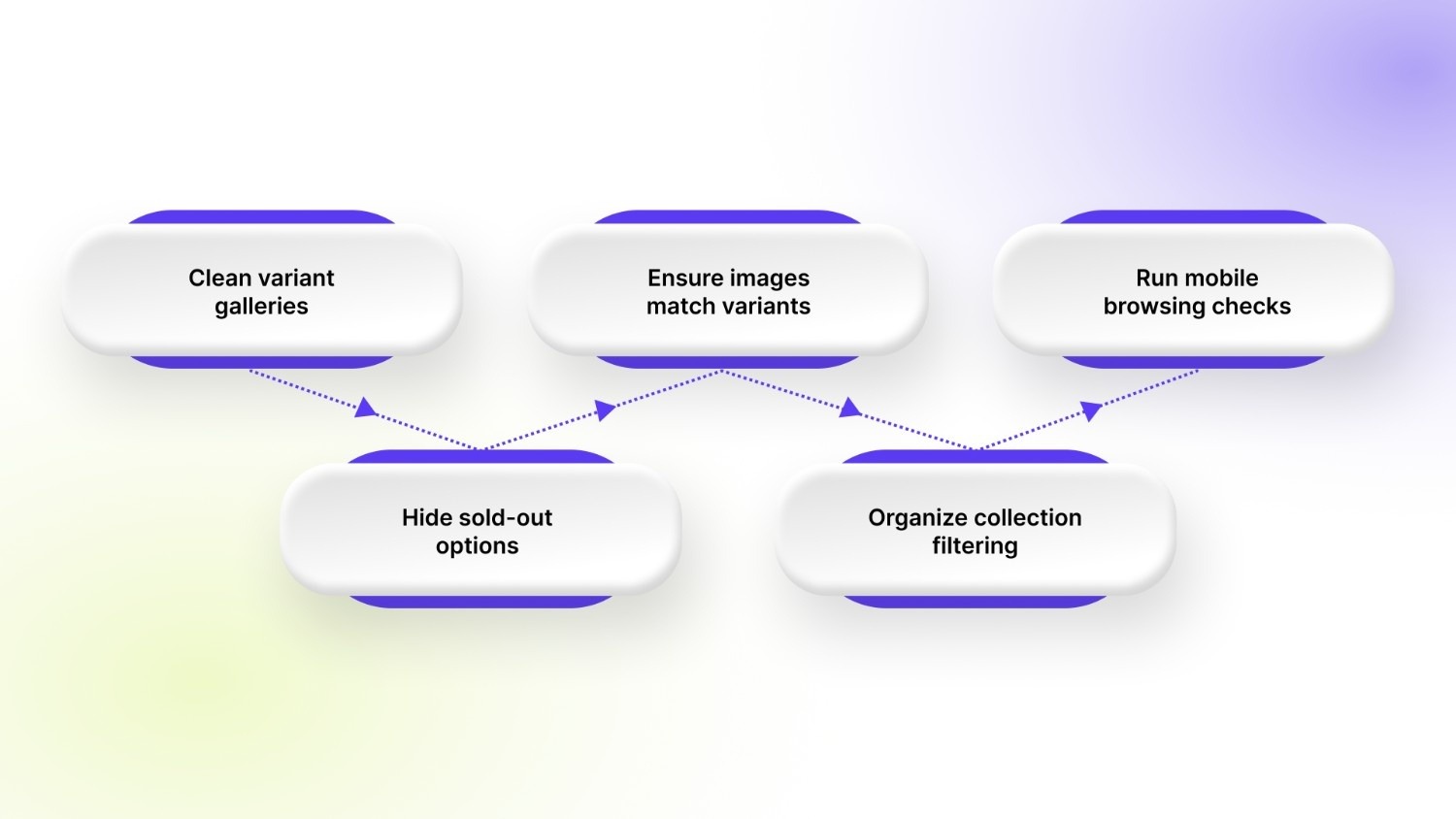
Use this checklist before launching your Black History Month sale:
- Clean variant galleries: Remove duplicate or unrelated images. Each variant should display only visuals that match the selected option.
- Hide sold-out options: Visible but unavailable variants create frustration, especially during limited-edition campaigns.
- Ensure images match variants: Double-check that color names, thumbnails, and gallery images align correctly across desktop and mobile.
- Organize collection filtering: Filters for price, product type, or theme should be accurate and easy to use. Broken or cluttered filters slow down browsing.
- Run mobile browsing checks: Test collection pages, swatches, and product galleries on multiple devices. Most seasonal traffic comes from mobile, and layout inconsistencies can affect buying decisions.
A focused review before traffic increases helps customers move from interest to checkout without confusion, keeping the experience aligned with the intention behind your Black History Month campaign.
Final Thoughts
A Black History Month sale performs well when customers can move through collections without uncertainty. Shoppers looking for meaningful gifts want clear categories, accurate visuals, and product pages that reflect exactly what they are selecting.
When variants are easy to compare, and themed products are easy to find, customers spend less time searching and more time completing purchases. For Shopify stores managing multiple colors, styles, or limited editions, improving how variants appear across collections and product pages becomes especially important during seasonal campaigns.
This is where StarApps Studio fits naturally, helping merchants present variants clearly and create browsing experiences that support faster decisions. Connect with us for a demo to see how you can make future seasonal sales easier to manage and simpler for customers to shop.
FAQs
1. How early should a Black History Month sale be planned?
Preparation usually starts 4–6 weeks in advance. This allows time to organize themed collections, prepare creative assets, and test product pages before traffic increases. Early planning also helps merchants avoid last-minute merchandising changes that can affect the shopping experience.
2. Should Black History Month products be placed in a separate collection or mixed with regular products?
A dedicated collection works better for visibility and storytelling. Customers searching for themed or meaningful gifts expect to find them grouped together, while regular collections can continue serving everyday shoppers.
3. How can smaller stores participate without launching new products?
Stores can highlight existing products through curated collections, storytelling, or limited-time bundles. Reframing current inventory around themes or creators often performs better than rushing new launches.
4. What mistakes reduce conversions during seasonal campaigns?
Common issues include unclear variant images, too many options on product pages, and collections that require excessive clicking to browse. Seasonal shoppers typically make faster decisions, so clarity matters more than variety.
5. Do Black History Month sales work better for specific industries?
Fashion, beauty, accessories, and home goods stores tend to see strong engagement because products are visually driven and gift-friendly. However, any Shopify store can benefit when collections are clearly organized and easy to browse.
Heading

End-to-end traceability
To ensure regulatory compliance, you must have a complete overview of your products from production to shipping. Book a demo to see how Katana can give you full visibility of your operations.
.png)

.svg)

.svg)

.svg)
.png)